

Understanding Deruta Pottery: A Historical Perspective
Deruta pottery is renowned for its distinctive artistic style and rich cultural heritage, making it a significant part of Italy’s artisan craft. Known for its intricate designs and vibrant colors, Deruta ceramics are products of a centuries-old tradition that dates back to the Renaissance period. When exploring options, Deruta pottery offers a glimpse into the artistry and craftsmanship that have defined Italian pottery for generations.
What is Deruta Pottery?
Deruta pottery is a type of Italian ceramic renowned for its vivid colors, detailed patterns, and historical significance. Originating from the town of Deruta in Umbria, these ceramics are characterized by their unique glazes and elaborate designs that often feature motifs inspired by nature, mythology, and everyday life. The pieces range from functional items like plates and bowls to decorative art pieces displayed in homes worldwide.
The Origins of Deruta Pottery
The art of pottery in Deruta can be traced back to the late Middle Ages, with significant development occurring during the Renaissance. The town’s location, close to key trade routes, facilitated the exchange of ideas and materials, contributing to its reputation as a ceramic center. Initially, pottery was utilitarian, but over time the influence of artists and craftsmen transformed Deruta into a hub of artistic expression, culminating in its signature style.
Traditional Techniques and Materials Used
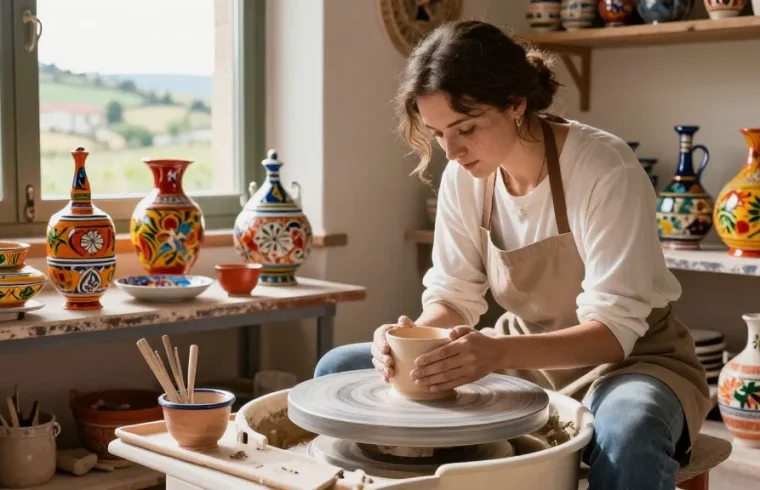
Deruta pottery artisans employ traditional techniques that have been passed down through generations. The process begins with high-quality clay sourced from local deposits, which is then shaped on a potter’s wheel. Once the pieces are formed, they undergo a drying phase before being fired in a kiln. The distinctive glazing technique involves applying a tin oxide glaze that creates a bright white surface, perfect for showcasing the vibrant colors that characterize Deruta designs.
The Art of Creating Deruta Pottery
Essential Tools and Equipment for Pottery Making
Creating Deruta pottery requires a specific set of tools and equipment, each contributing to the final product. Essential tools include:
- Potter’s Wheel: Used for shaping the clay into various forms.
- Kiln: A furnace for firing the pottery, essential for hardening and setting the glaze.
- Painting Brushes: Fine brushes are crucial for applying intricate designs and details.
- Clay Cutters: Tools for trimming and refining the shapes of the pottery.
Step-by-Step Guide to Crafting Deruta Pottery
Creating Deruta pottery involves several steps, each requiring skill and attention to detail:
- Clay Preparation: The clay is kneaded to remove air bubbles and achieve a smooth consistency.
- Shaping: Using a potter’s wheel, artisans shape the clay into desired forms.
- Drying: Shaped pottery is left to dry until it is leather-hard.
- First Firing: The first firing occurs at low temperatures to harden the clay.
- Glazing: A tin-based glaze is applied, often using traditional color palettes.
- Second Firing: The glazed pottery is fired at a higher temperature, which solidifies the glaze and colors.
- Decorative Touches: Final details and embellishments are added before the final firing.
Common Challenges and Solutions in Pottery Creation
While creating Deruta pottery is a rewarding experience, artisans often face challenges such as:
- Cracking: This can occur during drying; proper drying techniques can prevent this issue.
- Under-glaze Fading: Using high-quality paints and maintaining optimal firing conditions helps preserve design vibrancy.
- Inconsistent Shapes: Regular practice and proper techniques are crucial for achieving consistency in shape and size.
Design and Aesthetics of Deruta Pottery
Color Palette and Patterns in Deruta Ceramics
Deruta pottery is celebrated for its colorful glazes and intricate patterns. The traditional color palette includes:
- Bright Blues: Reflecting the sky and water.
- Earthy Greens: Symbolizing nature and the surrounding landscape.
- Vibrant Yellows and Oranges: Adding warmth and brightness to the pieces.
Patterns often include floral designs, geometric shapes, and scenes inspired by Italian folklore, showcasing the unique blend of artistry and culture that defines Deruta pottery.
Modern Trends in Deruta Pottery Design
As with any art form, Deruta pottery has evolved, embracing modern trends while maintaining traditional techniques. Contemporary designs often incorporate:
- Simplified Forms: Less ornate designs are gaining popularity, appealing to minimalist aesthetics.
- Mixed Materials: Artists are experimenting with combining ceramics with wood or metal for modern decor.
- Custom Designs: Personalization and unique pieces catering to individual tastes are on the rise.
Incorporating Deruta Pottery into Home Decor
Deruta pottery can enhance any home decor, serving as both functional items and art pieces. Here are some ideas for incorporating these ceramics:
- Dining Table: Use decorative plates and bowls as statement pieces during meals.
- Wall Displays: Hang larger items or plates on walls for a colorful art gallery effect.
- Gift Items: Consider gift sets of ceramics or custom pieces for friends and family.
Purchasing Deruta Pottery: What to Look For
Identifying Authentic Deruta Pottery
With the popularity of Deruta pottery, recognizing authentic pieces is crucial. Authentic ceramics typically feature:
- Distinctive Markings: Look for the artist’s signature or the pottery’s origin stamp.
- Quality Glaze: Authentic pieces have a smooth, glossy finish without bubbles or imperfections.
- Artisan Techniques: Familiarize yourself with traditional methods that should be evident in the craftsmanship.
Where to Buy High-Quality Deruta Products
To ensure you are purchasing authentic Deruta pottery, consider sourcing from reputable retailers, artisan markets, or directly from workshops in Deruta. Online platforms specializing in Italian ceramics, such as Amo D’Italia, also provide a wide range of options for buyers looking for quality pieces.
Understanding Pricing and Value of Deruta Pottery
Pricing for Deruta pottery can vary significantly based on factors like size, complexity of design, and the reputation of the artist. While unique, handmade items may carry a higher price, they also offer intrinsic value through their craftsmanship and artistic expression. Understanding these aspects can help buyers assess whether they are receiving a fair price for authentic Deruta pottery.
Future Trends in Deruta Pottery (2026 and Beyond)
The Revival of Traditional Techniques
As the craft of pottery continues to evolve, there is a renewed interest in traditional techniques. Many contemporary artisans are returning to time-honored methods, emphasizing handmade craftsmanship and quality over mass production, ensuring that the rich history of Deruta pottery remains alive.
Impact of Sustainability on Pottery Making
With growing environmental awareness, sustainability in production processes is becoming more prominent among pottery makers. Efforts to use eco-friendly materials and reduce waste are influencing how new generations of artisans approach their craft.
Emerging Artists and Innovations in Deruta Pottery
The future of Deruta pottery is bright, with a wave of emerging artists making their mark. These new creators are blending traditional styles with innovative techniques and modern design concepts, ensuring that Deruta pottery continues to captivate enthusiasts worldwide.
What is the significance of Deruta pottery?
Deruta pottery holds cultural significance as a representation of Italian heritage, artistry, and craftsmanship. Each piece tells a story and reflects the local traditions that have been cherished for generations.
How can I start making Deruta pottery at home?
Starting your journey in creating Deruta pottery at home involves sourcing quality clay, essential tools, and learning basic pottery techniques. Numerous resources, including classes and online tutorials, can guide beginners through the process.
Where can I find authentic Deruta pottery?
Authentic Deruta pottery can be found in artisanal shops, online marketplaces specializing in Italian ceramics, and during visits to Deruta itself, where numerous workshops and boutiques display the finest creations.
What styles are popular in Deruta pottery today?
Popular styles in contemporary Deruta pottery often feature minimalistic designs, natural motifs, and artisanal finishes blending traditional aesthetics with modern sensibilities.
What are the main differences between Deruta pottery and other Italian ceramics?
The primary differences lie in the unique glazing techniques, traditional patterns, and the cultural significance associated with Deruta ceramics compared to other regions’ pottery styles in Italy, which may prioritize different designs or production methods.