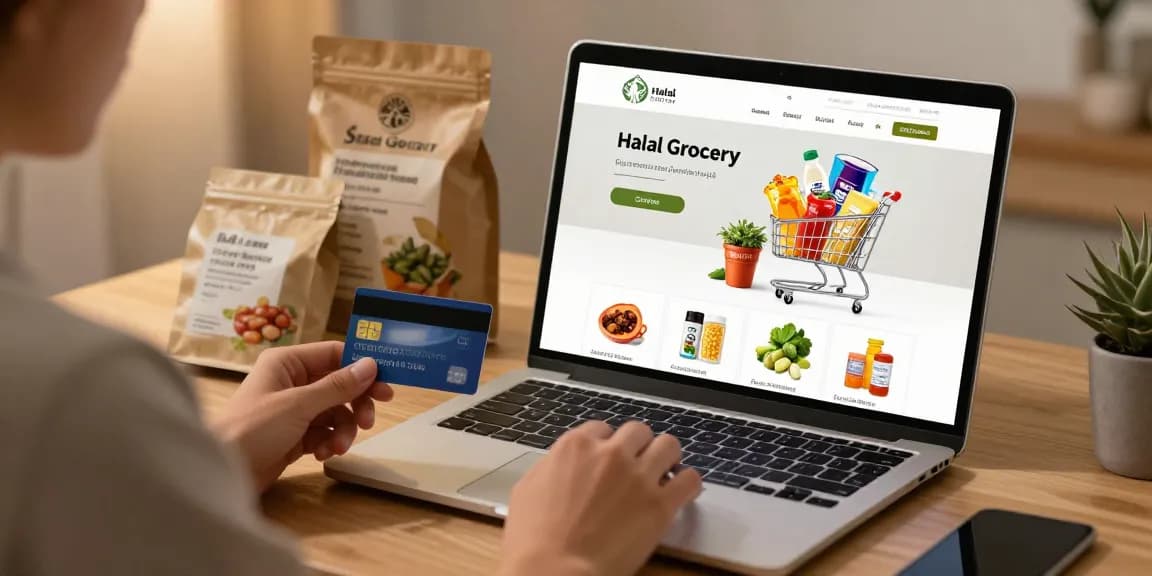
Understanding the Growth of Halal Grocery Online
The e-commerce landscape has undergone transformative changes, particularly with the rise of Halal grocery shopping. Consumers are increasingly seeking products that align with their ethical and dietary standards, which has fueled the growth of online platforms offering Halal-certified goods. As a result, businesses positioned within the Halal grocery sector have a remarkable opportunity to reach a diverse audience that prioritizes quality and authenticity. When exploring options, Halal Grocery provides comprehensive insights and a wide array of products, ensuring shoppers can meet their dietary needs without compromise.
The Rise of Conscious Consumerism in E-commerce
Conscious consumerism has emerged as a significant trend, with shoppers increasingly aware of the origins and ethical implications of the products they purchase. This is particularly true within the Halal market, where consumers are eager to support businesses that uphold transparency, quality, and ethical practices. Online platforms that respect these values are gaining traction as they leverage quality content, like research-backed articles and user-generated reviews, to build trust and transparency.
Market Trends in Halal Grocery Products
The Halal grocery market is witnessing unprecedented growth, with an increasing number of brands entering the sector. According to recent reports, the global Halal food market is expected to surpass USD 2 trillion by 2026. Online retail channels are projected to be a significant driver of this growth as more consumers, particularly millennials and Gen Z, turn to e-commerce for convenient access to authentic Halal products.
Impact of Cultural Diversity on Shopping Preferences
The cultural diversity of modern consumers heavily influences their shopping preferences. Halal products resonate not only with Muslim consumers but also with non-Muslims who prioritize ethical sourcing and high-quality food products. This expanding demographic underscores the necessity for e-commerce platforms to provide a diverse range of Halal grocery items that cater to various tastes, preferences, and dietary restrictions.
Key Factors Driving Sales of Halal Grocery
The surge in Halal grocery sales can be attributed to several key factors, each playing a role in shaping consumer behavior and preferences in the online marketplace.
High Demand for Healthy and Authentic Products
As consumers become more health-conscious, the demand for nutritious and authentic products has risen. Halal groceries often meet these requirements, offering a range of organic, natural products that appeal to health-conscious shoppers. Many consumers believe that Halal certification is synonymous with higher quality and ethical production methods.
Consumer Trust through Quality and Certifications
Building consumer trust is essential in the competitive e-commerce landscape. Halal certifications act as a trust signal for buyers, providing assurance that the products are compliant with Islamic dietary laws. Businesses that effectively highlight their certifications, along with customer reviews and ratings, can significantly enhance their market position and increase conversion rates.
E-commerce Features Enhancing User Experience
Online platforms are increasingly incorporating features aimed at improving user experiences, such as personalized recommendations, improved navigation, and advanced filtering options. These features not only enhance the shopping experience but also lead to reduced cart abandonment rates and higher average order values (AOV). Businesses that utilize AI and data analytics can tailor their offerings to better meet consumer demands.
Best Practices for Selling Halal Grocery
For merchants entering the Halal grocery market, employing effective selling strategies is vital for success.
Effective Product Photography and Listing Techniques
High-quality visuals are crucial in e-commerce, particularly in food categories. Clear, enticing product photography alongside detailed descriptions can significantly enhance product listings. Sellers should showcase the items in use, highlighting their versatility and appeal. Additionally, using an engaging voice that resonates with the brand's values will attract a wider audience.
Optimizing for Mobile Commerce in 2026
As mobile commerce continues to dominate the e-commerce landscape, ensuring that online stores are optimized for mobile use is non-negotiable. Merchants should focus on simplifying the purchasing process, ensuring fast load times, and providing a seamless interface for mobile users. Studies show that over 50% of shoppers prefer using mobile devices, emphasizing the need for responsive design.
Utilizing Customer Reviews and Social Proof
Customer reviews play a critical role in influencing purchase decisions. By encouraging customers to leave feedback, businesses can create a sense of community and trust. Additionally, leveraging testimonials and social media engagement can further enhance brand credibility, leading to higher conversion rates.
Shipping and Delivery Options for Halal Grocery
Efficient logistics are fundamental in the e-commerce sphere, especially for perishable grocery items. Convenient shipping and delivery options can make a significant difference in consumer satisfaction.
Best E-commerce Platforms for Efficient Fulfillment
Choosing the right e-commerce platform is crucial for successful fulfillment. Platforms such as Shopify, WooCommerce, and Magento offer various features that help streamline operations, from inventory management to checkout processes. Businesses should evaluate each platform based on the specific needs of their target market and product range.
Negotiating Shipping Costs for Competitive Pricing
Shipping costs can deter customers from completing purchases. Establishing relationships with logistics companies to negotiate bulk rates can help keep shipping costs competitive. Providing options like free shipping thresholds can also incentivize larger purchases and reduce cart abandonment.
Understanding Returns and Buyer Protection Policies
Clear and fair return policies are vital for consumer trust. Buyers want the reassurance that they can easily return products if they don’t meet their expectations. Businesses should ensure that their return policies are transparent, easy to understand, and prominently displayed to help instill buyer confidence.
Future of Halal Grocery in E-commerce
As we move towards 2026, the Halal grocery sector will continue to adapt and innovate to meet changing consumer needs.
Innovative Marketing Strategies for 2026
To stay relevant, brands must develop innovative marketing strategies, including influencer partnerships and social media campaigns that resonate with younger consumers. Content marketing is expected to play a significant role, with educational articles, videos, and recipes showcasing the use of Halal products in daily meals.
Integrating AI and Analytics for Better Customer Insights
Utilizing AI and analytics tools can help businesses collect valuable data on customer preferences and shopping behaviors. This information can inform product offerings, personalized marketing strategies, and inventory management practices, leading to improved customer experiences and increased sales.
Building Customer Loyalty and Repeat Purchases
Strategies aimed at fostering customer loyalty, such as reward programs and exclusive offers for repeat customers, are crucial. Engaging customers through newsletters or community-building events can also enhance brand loyalty, encouraging repeat purchases and referrals.
FAQs
What defines Halal Grocery products?
Halal Grocery products are food items that comply with Islamic dietary laws as outlined in the Quran. These products are free from any ingredients that are considered haram (forbidden), including alcohol and pork, and are processed in accordance with specific practices.
How can I ensure the quality of Halal Grocery items?
To ensure the quality of Halal Grocery products, look for official halal certifications from reputable organizations, check expiration dates, read ingredient lists, and rely on reviews from other consumers.
Are there specific apps to shop for Halal Grocery?
Yes, many e-commerce platforms and marketplaces specialize in Halal products. Additionally, some companies have dedicated apps that simplify the shopping experience for Halal groceries, enabling users to filter options based on their preferences and dietary requirements.