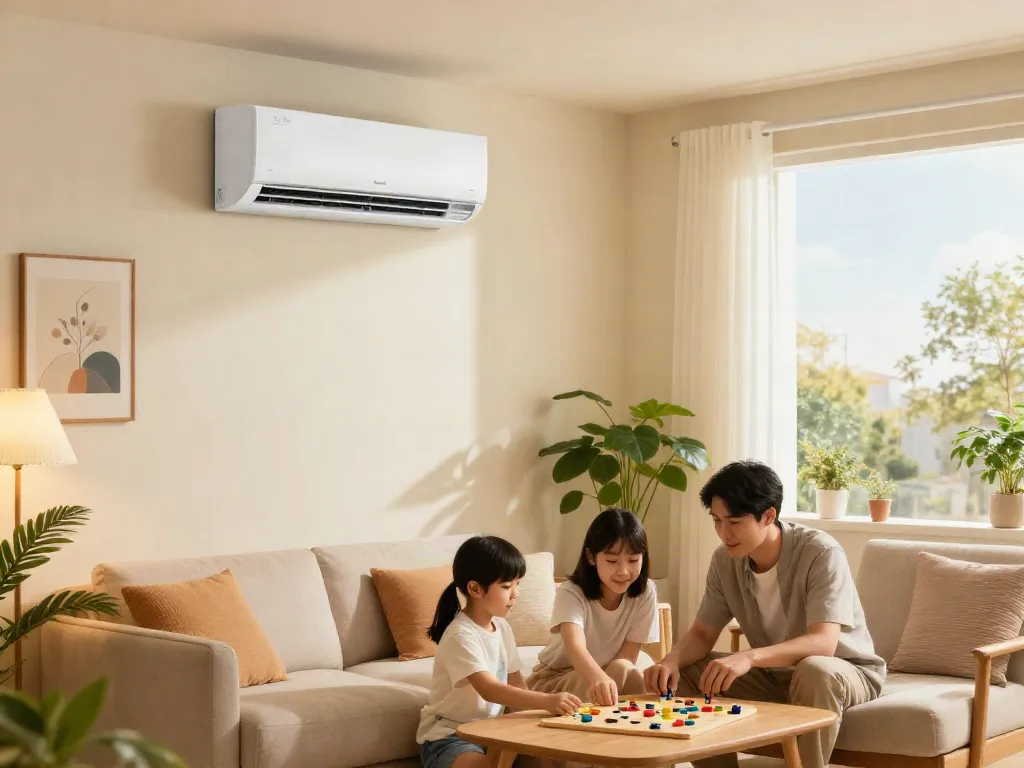
Understanding Ductless Air Conditioner Mini Systems
In today's quest for energy-efficient home HVAC solutions, the ductless air conditioner mini stands out as a preferred choice for many homeowners. These systems offer a blend of comfort and technology, making them suitable for various spaces—from single rooms to entire homes. This article will delve into what ductless mini-split systems are, their key components, functionalities, and how they compare to traditional air conditioning systems.
What is a Ductless Air Conditioner Mini?
A ductless air conditioner mini, commonly referred to as a mini-split system, is a type of HVAC system that provides heating and cooling without the use of ductwork. It consists of two main components: an outdoor compressor unit and one or more indoor air-handling units. These systems are ideal for homes lacking ducted systems and can also be used to supplement existing heating and cooling solutions, providing flexibility and efficiency.
Key Components and Functionality
The functionality of a ductless air conditioner mini hinges on its key components:
- Outdoor Unit: This unit contains the compressor, condenser, and expansion valve that work together to pump refrigerant to the indoor units.
- Indoor Unit: This unit is installed in the living space and is responsible for blowing cooled or heated air into the room. It can be mounted on walls or ceilings.
- Refrigerant Lines: These insulated lines connect the outdoor unit to the indoor units, allowing the refrigerant to flow and facilitate heat exchange.
- Remote Control: Most mini-splits come with a remote that allows users to adjust settings such as temperature, fan speed, and mode of operation.
The Benefits of Ductless Systems Over Traditional AC
Ductless mini-split systems offer several advantages compared to traditional air conditioning systems:
- Energy Efficiency: Mini-splits typically have higher SEER (Seasonal Energy Efficiency Ratio) ratings than traditional systems, improving energy savings.
- Zone Control: These systems allow you to cool or heat specific areas of your home independently, which can lead to significant energy savings.
- Flexible Installation: Because they don’t require ductwork, installation is often quicker and less invasive, and they can be fitted into spaces where traditional systems may not be applicable.
- Less Noise: Compared to window units, mini-splits operate quietly and can enhance comfort without disruptive noise.
Installation Insights for Ductless Air Conditioners
Installing a ductless air conditioner mini system involves careful planning and consideration to ensure optimal performance.
Preparing Your Space for Installation
Before installation, assess your space to determine the best locations for the indoor units, ensuring they can effectively distribute air. Consider room size, layout, and the existing electrical capacity. It's also important to check for any potential obstructions outside where the outdoor unit will be installed.
Common Installation Challenges and Solutions
While installing ductless systems is generally straightforward, challenges may arise:
- Limited Access: Areas around the home may not allow easy access for installation. Ensure pathways are clear, and consider hiring professionals if needed.
- Electrical Requirements: Check if existing wires meet the power needs of the new system. You may need electrical upgrades for compatibility.
- Building Codes: Be aware of local building codes and regulations that could impact installation.
Professional vs. DIY Installation: What You Need to Know
While DIY installation is possible for those with technical skills, hiring a professional is often recommended. Professionals can ensure the system is installed correctly, which can prevent future issues and maximize efficiency. Additionally, professional installation may be a requirement for warranty validation.
Energy Efficiency and Cost-Effectiveness
Understanding energy efficiency is key when considering a ductless air conditioner mini. These systems not only provide comfort but also contribute to long-term savings.
How Ductless Systems Save You Money
Ductless mini-splits save money by reducing energy costs through their efficient operation. The ability to control temperatures in different zones means you only heat or cool the areas you are using, avoiding unnecessary energy expenditure.
Environmental Benefits of Ductless Air Conditioners
Ductless systems are often more environmentally friendly than traditional air conditioning units. Their reduced energy consumption translates into lower greenhouse gas emissions. Many modern systems also use refrigerants with lower global warming potential (GWP), which contribute to a greener environment.
Understanding SEER Ratings for Energy Efficiency
SEER ratings are essential when evaluating the potential energy efficiency of a mini-split system. The higher the SEER rating, the more energy-efficient the system. When shopping for ductless air conditioners, aim for systems with SEER ratings of 16 or higher for optimal efficiency.
Common Misconceptions About Ductless Mini ACs
Despite their growing popularity, several myths and misconceptions surround ductless mini-split systems.
Debunking Myths: Noise Levels and Efficiency
Many believe that ductless systems are noisy, but modern mini-splits have become quieter, with sound levels comparable to a whisper. Additionally, their efficiency often surpasses traditional HVAC systems, contrary to common belief.
Are Ductless Systems Only for New Builds?
Another common misconception is that ductless systems are suitable only for new construction. However, they are ideal for retrofitting in older homes and can significantly enhance comfort without the need to install ductwork.
The Reality of Maintenance for Ductless Units
Maintenance for ductless mini-splits is often simpler than for traditional systems. Regular cleaning of filters and checking for refrigerant leaks are typically the most significant requirements, making them relatively low-maintenance options.
Future Trends in Ductless Air Conditioning
The ductless air conditioning industry continues to evolve, with innovative technologies enhancing their performance and user experience.
Innovations to Look Out for in 2026
As technology advances, expect to see improvements in smart thermostat integration, allowing for more precise climate control and energy management in homes. Many manufacturers are focusing on improved energy efficiency and quieter operation.
Smart Technology Integration with Ductless Systems
The integration of smart technology is revolutionizing how we control our home environments. Ductless systems can now be connected to smart home devices, enabling users to manage their HVAC systems remotely via smartphones or voice commands.
How Consumer Preferences are Shaping the Market
As consumers prioritize energy efficiency, comfort, and convenience, manufacturers will continue to innovate and adapt their products. This focus on customer needs drives competition, leading to more efficient and affordable ductless air conditioner mini options on the market.
What are the advantages of ductless air conditioners?
Ductless air conditioners offer flexibility, energy efficiency, and ease of installation. They allow users to control temperatures in different zones and reduce energy consumption significantly.
How do ductless air conditioners compare to window units?
Compared to window units, ductless systems provide quieter operation, more efficient cooling and heating, and the ability to cool multiple rooms with one outdoor unit. Additionally, they do not obstruct views or create security concerns typical with window installations.
Can ductless systems be used for both cooling and heating?
Yes, ductless mini-splits can provide both heating and cooling, making them versatile systems that can function year-round, especially those equipped with heat pumps.
What maintenance do ductless air conditioners require?
Maintenance includes routine cleaning of air filters, inspecting the outdoor unit for debris, and annual professional inspections to ensure optimal performance.
How do I determine the right size ductless air conditioner for my space?
Determining the right size involves calculating the BTUs (British Thermal Units) required for the space, considering factors like room size, insulation quality, and window orientation. Consulting with a professional can provide the most accurate sizing.