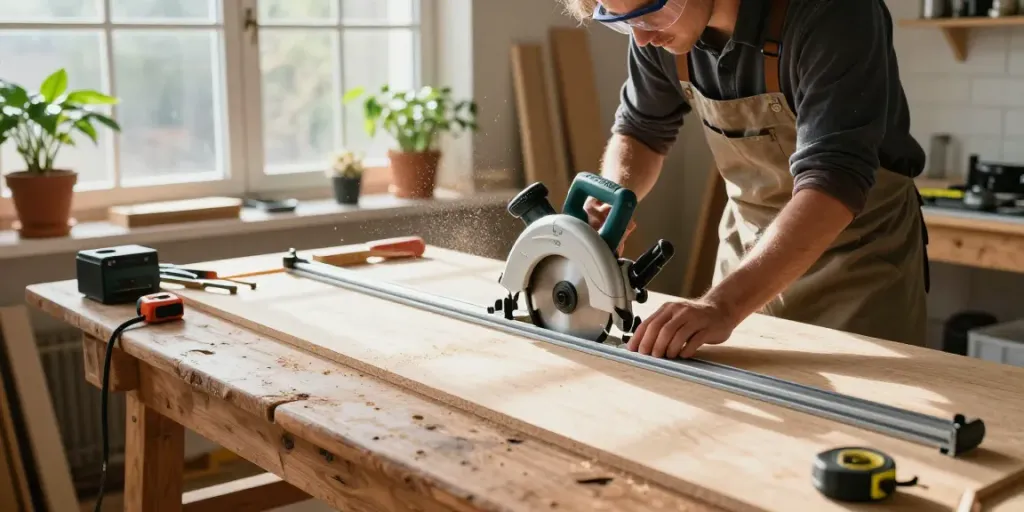
Understanding Circular Saw Guide Rails
A circular saw guide rail is an indispensable tool for anyone who seeks precision and efficiency in woodworking projects. Whether you're a professional carpenter or a DIY enthusiast, mastering the use of a circular saw guide rail can elevate the quality of your cuts and streamline your workflow. This comprehensive guide will explore the nuances of circular saw guide rails, their benefits, key features, and tips for optimal use. By the end, you will be well-equipped to make informed decisions about incorporating this tool into your projects, ensuring that your cuts are both straight and accurate.
What is a Circular Saw Guide Rail?
A circular saw guide rail, also known as a track saw guide or saw rail, is a long, straight edge that you attach alongside your cutting material. This rail acts as a guide for your circular saw, allowing for incredibly precise cuts, especially on sheet materials like plywood or MDF. Unlike freehand cutting, which can lead to jagged edges and inaccuracies, using a guide rail ensures that your saw blade follows a straight line throughout the cut. Most guide rails are designed to be portable and easy to set up, enabling you to achieve professional-grade results without the need for complex tools.
Benefits of Using a Guide Rail
- Precision: The most significant advantage of using a circular saw guide rail is the precision it offers. The guide rail secures your cutting line, allowing for perfectly straight cuts without the risk of deviation.
- Increased Efficiency: Using a guide rail simplifies the setup process, enabling you to make multiple cuts quickly and easily. This efficiency is particularly beneficial for large projects.
- Safety: Shop safety is a concern for any woodworker. Guide rails help reduce the chances of kickbacks and blade binding, leading to safer operation of your circular saw.
- Versatility: A circular saw guide rail can be used for various cuts, including ripping, crosscutting, and making angled cuts, making it a versatile addition to your toolkit.
Key Features to Look For
When selecting a circular saw guide rail, consider the following features to ensure you choose a model that meets your needs:
- Length: Guide rails come in various lengths. Choose one that matches the size of the materials you typically work with, as longer rails can reduce the number of joints needed.
- Material: Most guide rails are made of aluminum or steel, each with its strengths. Aluminum is lightweight and portable, while steel offers superior durability.
- Clamp Mechanism: A reliable clamp mechanism is essential for securing the guide rail to the workpiece. Look for models with strong, easy-to-use clamps.
- Compatibility: Ensure that the guide rail is compatible with your circular saw model, as not all saws can be mounted on all rails.
Choosing the Right Circular Saw Guide Rail
Selecting the right circular saw guide rail involves considering the compatibility and features that suit your specific needs. The market offers a variety of options tailored for different saw models and materials. For instance, when exploring options, circular saw guide rail systems are available that can accommodate different brands, allowing you to find the perfect fit for your equipment.
Compatibility with Different Circular Saws
Before purchasing a guide rail, ensure it is compatible with your circular saw. Not all circular saws come with built-in tracks or guides, and using the wrong combination can lead to frustration and poor cuts. Most manufacturers provide compatibility information for their guide rails, but if you're using a universal model, be sure to check user reviews for compatibility information.
Material Options: Aluminum vs. Steel
When selecting a guide rail, material choice is crucial. Aluminum guide rails are generally lighter, making them easier to transport and set up. However, they may not be as durable as their steel counterparts. Steel guide rails, while heavier, offer greater durability and resistance to warping under extreme conditions. Consider your primary use case—if you frequently move between job sites, aluminum may be your best bet, while steel may be more suitable for a stationary workshop.
Size and Length Considerations
The size and length of the guide rail you choose should align with the type of projects you'll be undertaking. For larger sheets of material, opt for longer rails (typically 50 inches or more) to minimize the need for additional cuts. Shorter rails may work well for smaller projects but could complicate larger ones.
How to Use a Circular Saw Guide Rail
The proper setup and technique are essential for maximizing the effectiveness of your circular saw guide rail. Familiarize yourself with the steps outlined below to ensure precision in your cuts and efficiency in your workflow.
Setting Up Your Workspace
Before you begin cutting, take the time to set up your workspace correctly. Ensure you have a stable surface to work on, free from clutter. It's also vital to have good lighting in your workspace, as this will allow you to see your markings clearly. Once your workspace is ready, lay out your material and position your guide rail according to your cut lines.
Aligning the Guide Rail with Your Markings
Ensure that you accurately align your guide rail with the cut line marked on your material. Take the time to double-check your measurements, as an incorrect alignment can lead to wasted material. Use clamps to secure the guide rail in place—this will prevent it from shifting during the cut.
Sawing Techniques for Maximum Precision
With your guide rail in place, carefully set your circular saw on the rail. Start the saw before making contact with the material to avoid kickback. Let the saw do the work and maintain a steady pressure as you push it along the guide rail. Avoid forcing the saw through the material, as this can lead to mishaps and imprecise cuts.
Common Mistakes to Avoid
Even seasoned woodworkers can fall victim to common missteps when using a circular saw guide rail. By understanding these pitfalls, you can improve your technique and avoid unnecessary setbacks.
Improper Setup Leading to Wasted Material
One of the most significant mistakes is improper setup of the guide rail. Always ensure that it is aligned correctly before making any cuts. Failure to do so can lead to inaccurate cuts and wasted material. Take your time in the setup phase—it will pay off in the long run.
Neglecting Safety Precautions
Safety should always be a priority when working with power tools. Make sure to wear appropriate safety gear, such as goggles and hearing protection. Additionally, ensure that your workspace is free from distractions and that others are at a safe distance while you are cutting.
Using Incompatible Tools
Using a guide rail designed for a different saw can lead to poor results and potential injury. Always check the specifications of your tools and guide rails to guarantee compatibility. Investing in a high-quality, compatible guide rail can save you time and frustration down the line.
Future Trends in Circular Saw Guide Rails
The world of power tools is always evolving, and circular saw guide rails are no exception. Innovators in the industry are continuously rethinking how these tools can improve the woodworking experience.
Innovative Features on the Horizon
As technology advances, new features are being integrated into circular saw guide rails. Features such as laser guidance systems are expected to become more commonplace, helping users achieve greater accuracy in their cuts. Additionally, advancements in materials could yield lighter yet more robust guide rails, enhancing portability without sacrificing durability.
Integration with Smart Tools
The rise of smart tools is reshaping woodworking. Circular saw guide rails may soon be equipped with smart features, such as connectivity to mobile apps that provide guidance, tutorials, and project templates, making it easier for users to complete their projects with knowledge at their fingertips.
Predictions for DIY Home Improvements in 2026
Looking ahead to 2026, we can expect a surge in DIY home improvement projects, especially as more individuals turn to woodworking as a hobby. For more information, Mister Worker offers valuable insights. With the advent of advanced guide rails and smart tools, the barrier to entry for precision woodworking will continue to diminish, allowing even beginners to achieve professional-quality results.